

e-Rounds 3: Three Tough Cases - May 15, 2013
Contents:
- HIV Faculty Expert of the Month
- eRounds Case Study Author
- Case 1: Maria, a 25-year-old Latina woman
- Case 2: Peter, a 31 year-old married male, who has also had sex with men
- Case 3: Kenny, a 28 year old African American man diagnosed with HIV
- Listen to the e-Rounds session (26:21 min)
- Download the PowerPoint of these case studies
HIV Faculty Expert of the Month:
Dr. I. Jean Davis, PhD, DC, PA, AAHIVS
 Brief Bio. Dr. I Jean Davis has decades of experience as a community advocate, educator, clinician, and researcher. Dr Davis is a Physician Assistant. Her extensive education includes a BA in Psychobiology, a BS in Human Anatomy, a Doctoral degree in Chiropractic Medicine, a MS in Clinical Research and a PhD in Preventative Medicine.. She is widely known and recognized for her education style, research and expertise as a primary care provider and HIV specialist. Faculty positions include Charles Drew University of Medicine and Science (Associated Professor, Internal Medicine) and UCLA’s Geffen School of Medicine (Assistant Professor, General Internal Medicine).
As an educator, researcher and clinician, she has worked with our communities for over 30 years, providing training and education, community based studies, direct care and information transfer as it relates to health disparities and the enhancement of our total health (spiritual, psychological, physical, socioeconomic, environmental and judicial). Dr Davis is presently on the Faculty and Advisory Board of AIDS Education and Training Center National Multicultural Center (AETC-NMC) and the Scientific and Public Policy Committees for Beyond AIDS.
She is the Integrated Medicine Director for Total Health Matters. Her focus has been on getting individuals into care and keeping them there. Demonstrating her passion and dedication to treating patients with HIV/AIDS, she maintains a membership with the International Association of Physicians in AIDS Care and the National Medical Association, among others. She is Board Certified by the American Academy of HIV Medicine.
e-Rounds Case Study Author: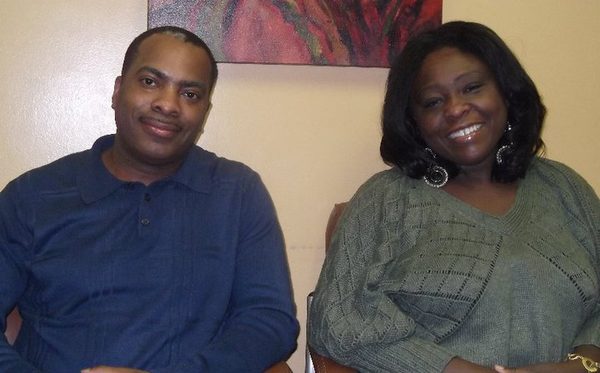
Dr. Berthie Labissiere, DPM
The Metropolitan Podiatry Associates, a Washington DC based group practice which was founded in 1999, includes Dr. Berthie Labissiere and Dr. Kevin Jefferson. Known for its expertise in podiatric care to include wound care and Podiatric Orthopedics, Metropolitan Podiatry Associates treats approximately 6 patients with HIV annually.
Case 1
Maria, a 25-year-old Latina woman was diagnosed with HIV five years ago. She never sought treatment, but was eventually started on antiretrovirals when she developed a case of pneumonia. She was referred to the health department for case management services. During her application for these services, she brought in an application form for her health care professional to complete. This form requested detailed medical information about her health status. In keeping with the policy of the clinic, a signed informed consent was requested for the release of information.
Several weeks later, Maria returned to the clinic, indignant, because her HIV status was disclosed in the form. After calming her down, it was discovered that she understood the informed consent to mean permission to say she had a medical condition, but not the details of her HIV status.

This case raises two points:
- What issues are related to the continued stigma surrounding HIV/AIDS?
- How should the purpose of the informed consent be addressed?
Case 2
Peter is a 31 year-old who began having sex with men when he was a teenager, but managed to hide this from his family. He felt having sex with men was natural for him, but worries his family would find out and make his life miserable. Other friends had been “discovered” by their parents and their lives had become hell and he wanted to avoid this.
His family suspected he might be gay, but they didn’t bother him until he was 30, when they started to pressure him to get married. He agreed to the marriage to get them off his back. Soon after getting married, he found out that one of his previous male partners had tested HIV-positive, so he started to worry about his own status and questioned himself
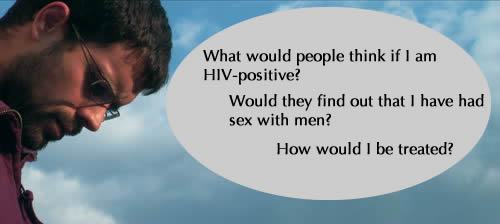
He went to the health facility to take a HIV test, but the counselor made him feel very uncomfortable. He asked lots of questions about Peter's sex life. When Peter mentioned having had sex with men, the counselor said, “No, you are not one of those! You seem different!” Peter left the health facility without taking the test and told himself he would never go back. He was so worried that his wife would find out about his male partner that he just continued to have sex with her without using condoms.
Discuss:
- What happened in the scenario?
- Why is Peter behaving the way he is?
- How does stigma affect disclosure to his partners and his use of health services?
- Discuss the approach you would use to offer Peter the HIV test based on the information he has provided.
- What key counseling strategy would you offer to him if Peter was found to be (1) HIV+ or (2) HIV negative?
Case 3
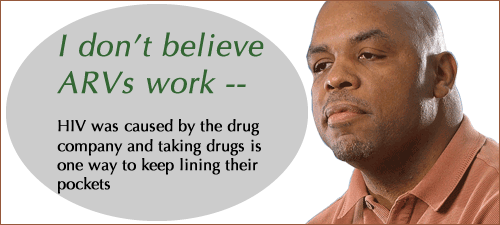
Kenny is a 28 year old African American man diagnosed with HIV three years ago. He was never prescribed ARVs. He has no history of opportunistic infections but is morbidly obese with co-morbidities of hypertension and hyperlipidemia. He presents with a 10 year history of crack cocaine addiction and alcohol abuse. Kenny states he has received treatment for his addictions but usually quits after a week because he forgets to attend. His last drug use was 1 year ago when he met Tasha. Tasha is his fiancée who had a positive home pregnancy test last week. Kenny has not disclosed his HIV status to Tasha because he does not believe ARVs are effective since HIV was caused by the drug company and taking drugs is one way to keep lining their pockets.
His latest lab done 6 months ago show lipid 360ml/dl; LDL 280 mg/dl; HbA1c 23.6 g/dl; CD4+ T cell count: 490 cells/mm3 HIV RNA: 98,000 copies/mL.
Discuss:
- How do you proceed?
- Does the provider have an ethical responsibility to Kenny’s fiancé to reveal his diagnosis of HIV?
- Could you identify any barriers to care in this encounter?
- What could the provider do to build trust and establish a rapport with this patient?
- Should the provider encourage Tasha to take an HIV test?
- If Tasha is not infected, what precautions will be most important to be discussed?
- Should he agree, describe the procedure you would implement to put Kenny on ART.
- Should the provider address Ken's co-morbidities?